What your support made possible
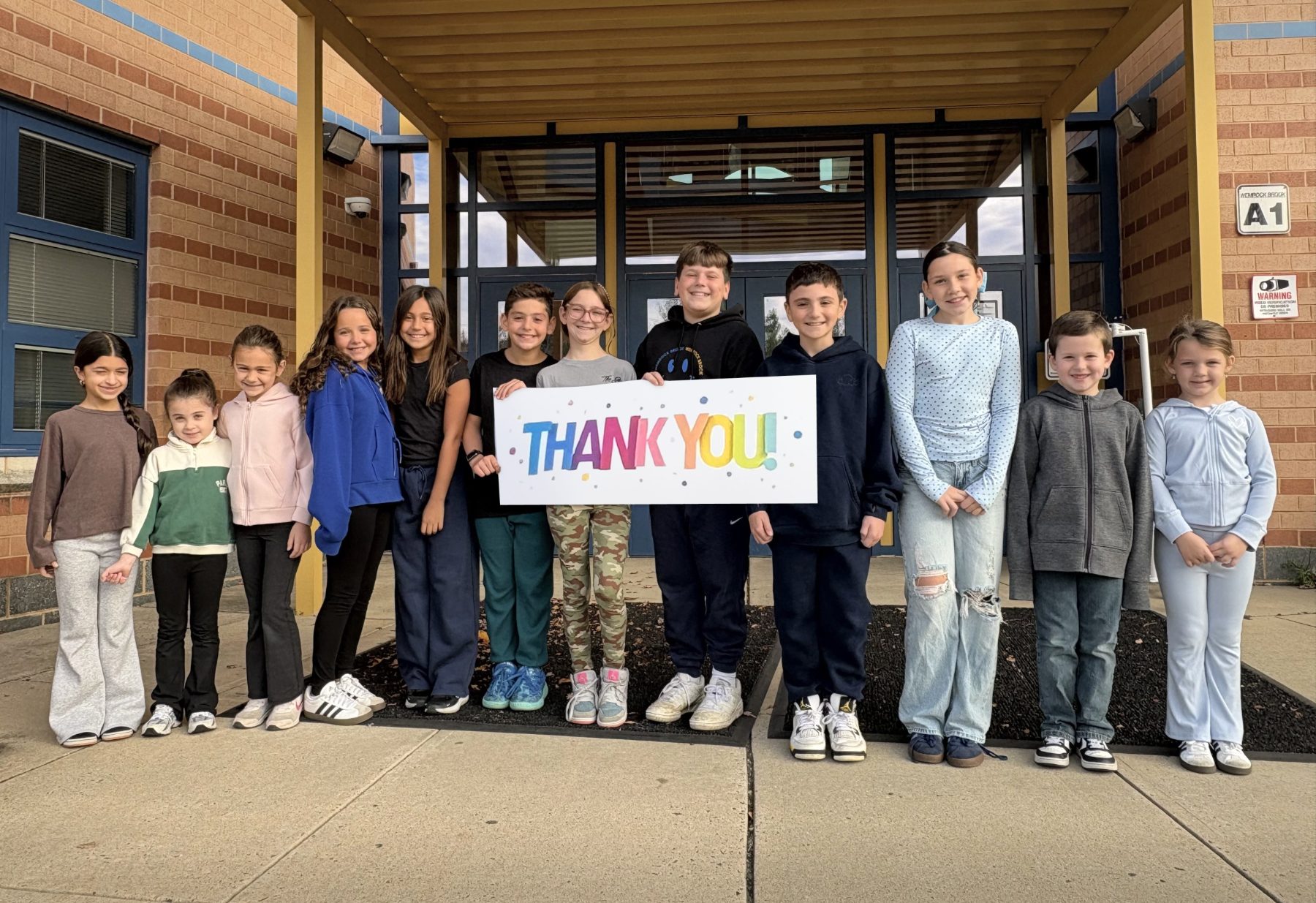
A year of saying yes
The Foundation for MERS
Dear Neighbors,
Every grant in this report began the same way: a teacher or principal saw something their students needed and asked for help. This year, because of you, we said yes ten times.
We said yes to a live HD studio at Clark Mills to build students’ confidence and communication skills, and a learning garden at Taylor Mills to bring learning outdoors. Yes to Venetian masks that connect language and culture, climate sensors for hands-on science, and games and puzzles that extend enrichment to every K–5 classroom. And yes to the Hate Ends Now Cattle Car Exhibit to help 530 eighth graders understand the consequences of hate and their role in challenging it. That is our mission in practice: families, educators, and neighbors working together to expand opportunities for every student to grow academically, emotionally, and socially.
That is $36,665 in new grants this year, and more than $1 million since 2009–10. Every dollar came from this community: Dance With Your Daughter and Sneaker Ball tickets, WizFit pledges, local businesses who sponsor us year after year, and families who give what they can.
Our board is all volunteers. What we have is time, a love for our schools, and neighbors like you. Thank you — and read on to see what you made possible.
With gratitude,
Our Board of Trustees
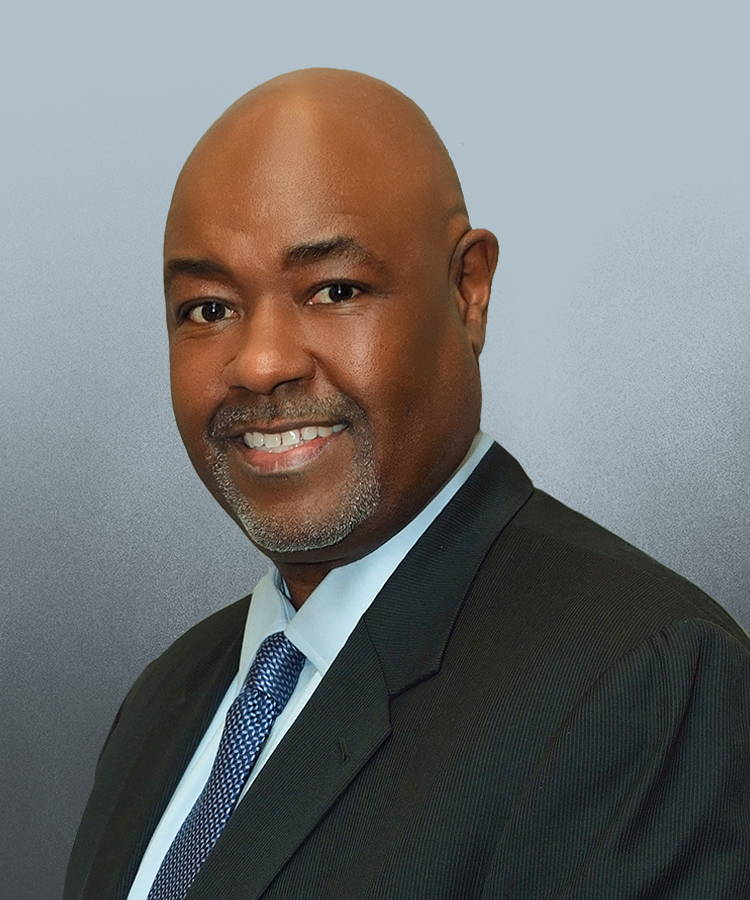
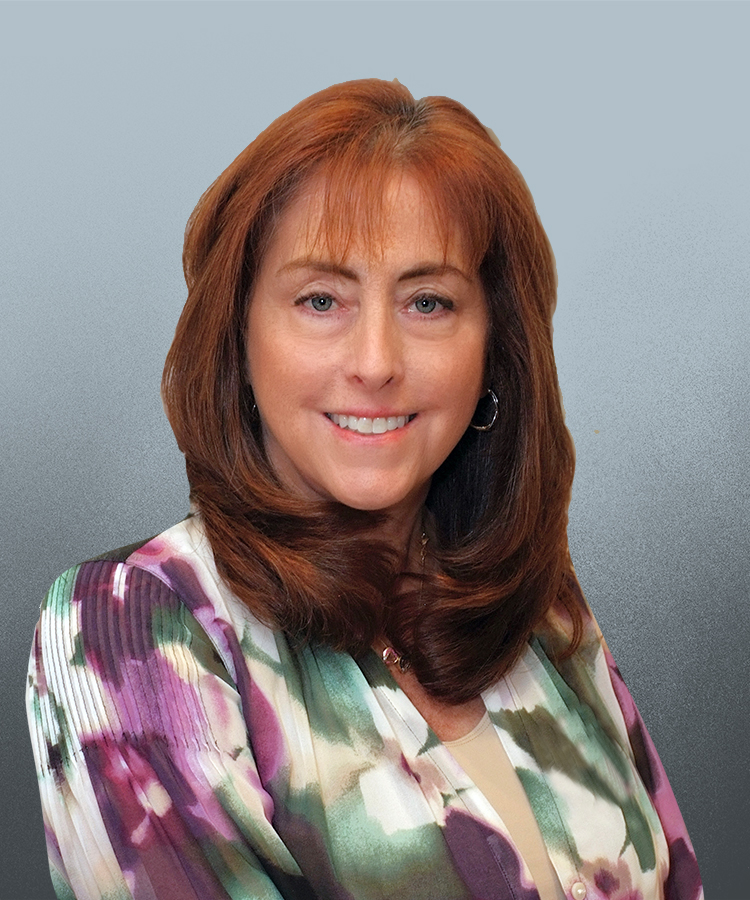
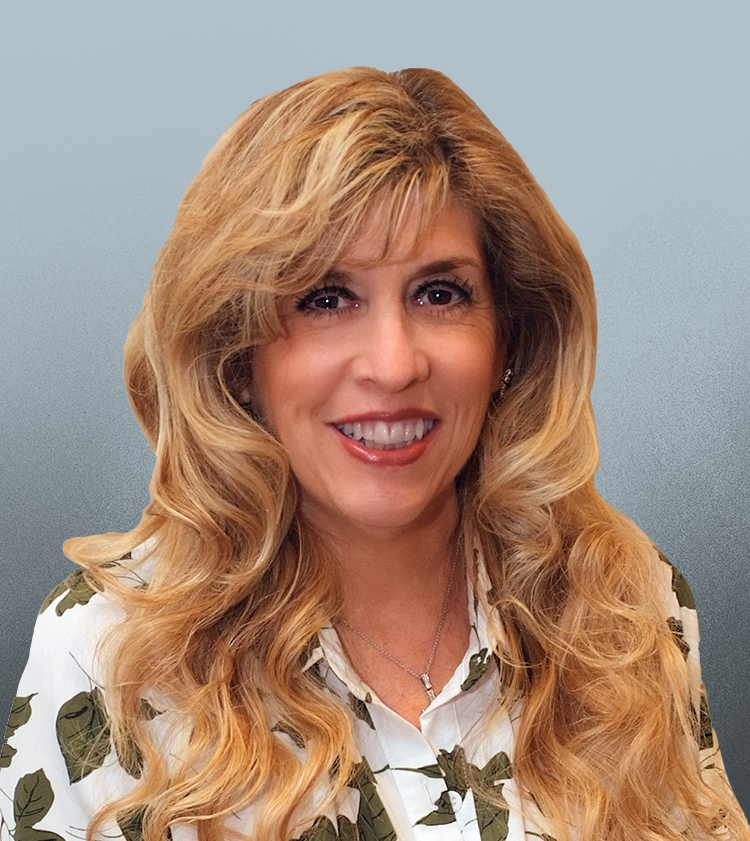
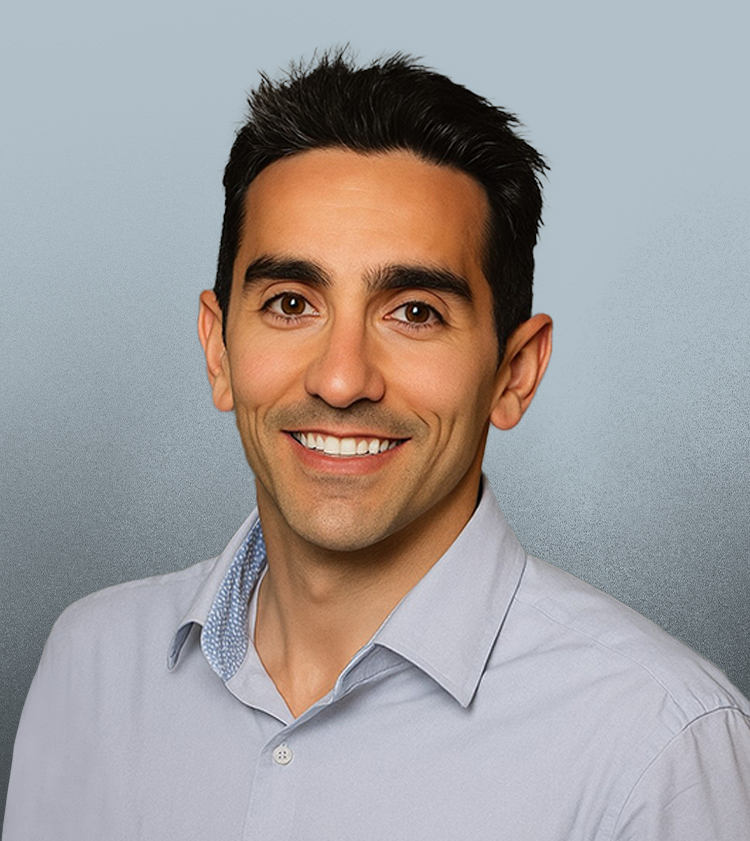
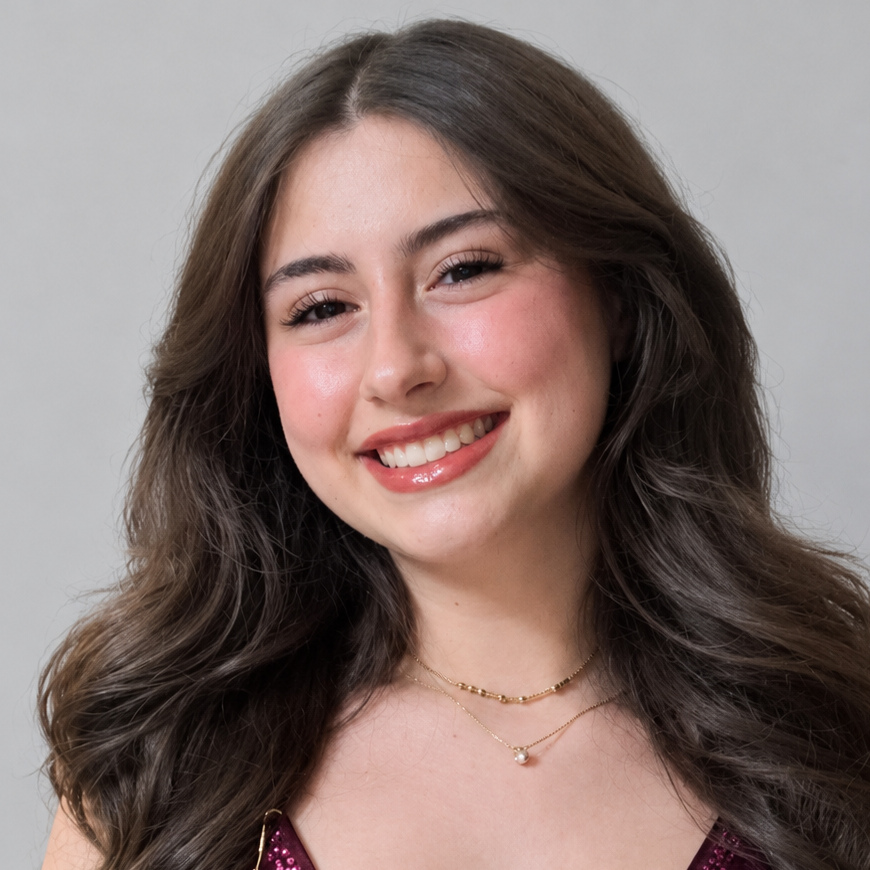
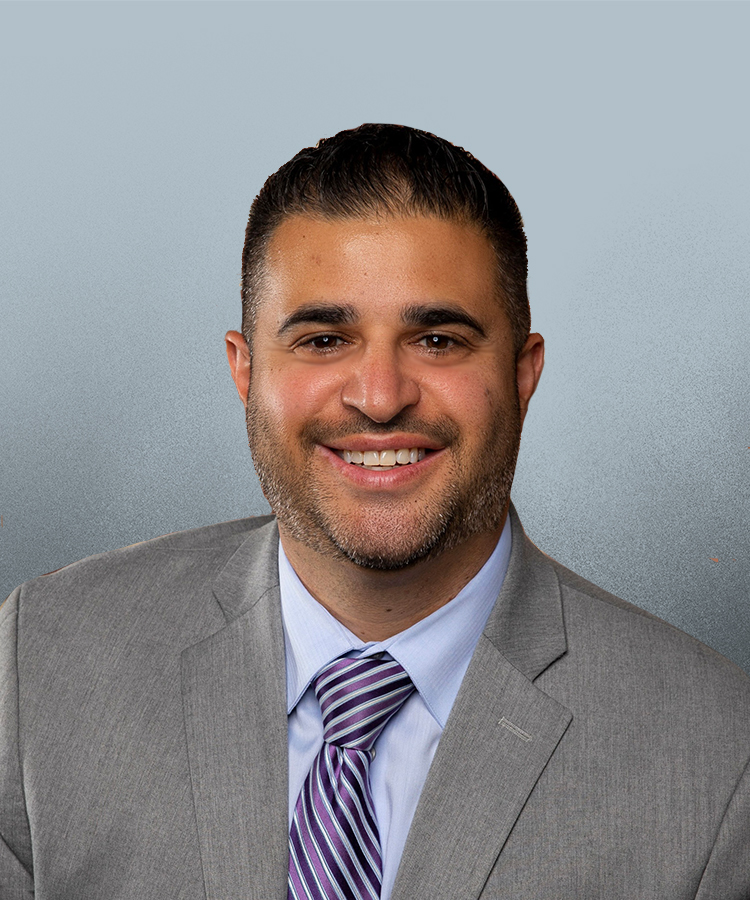
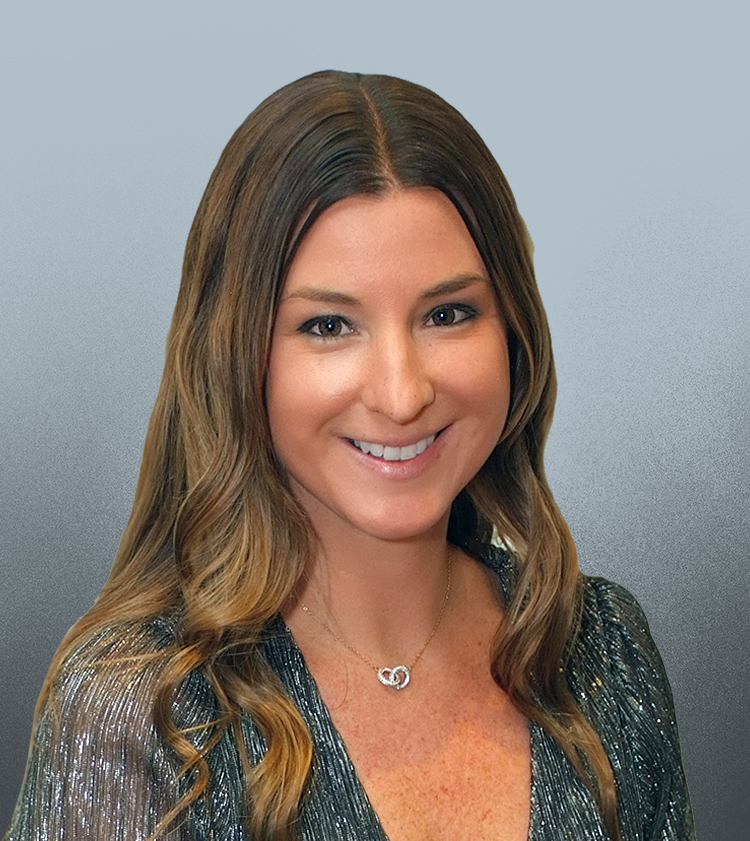
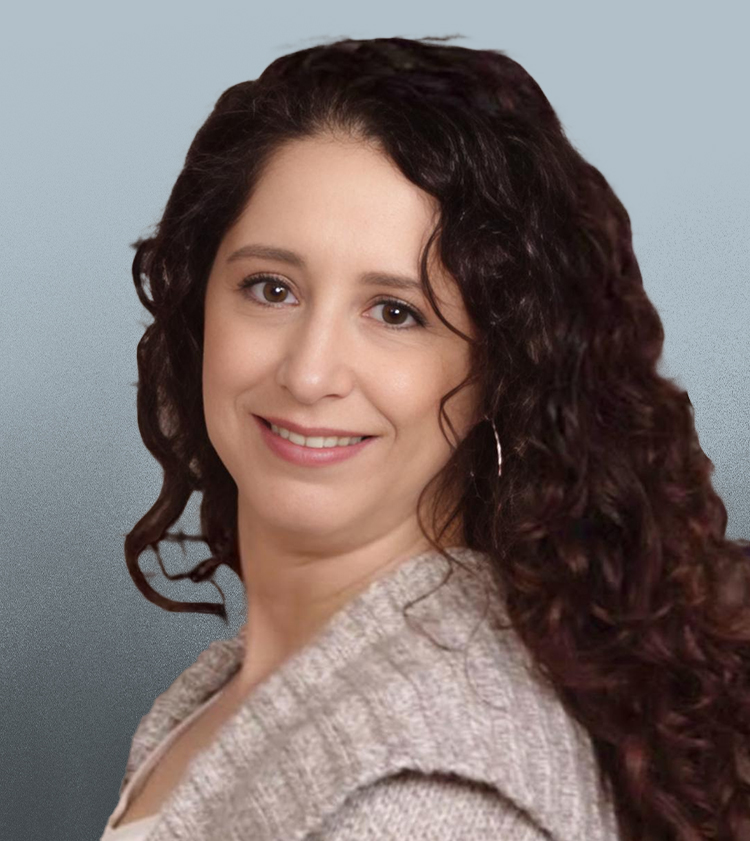
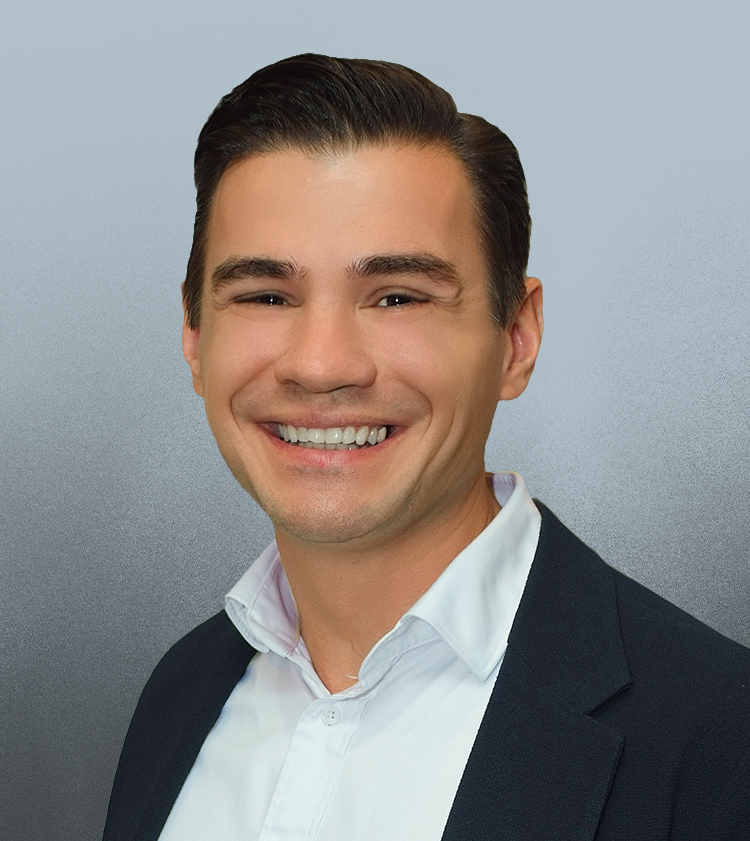
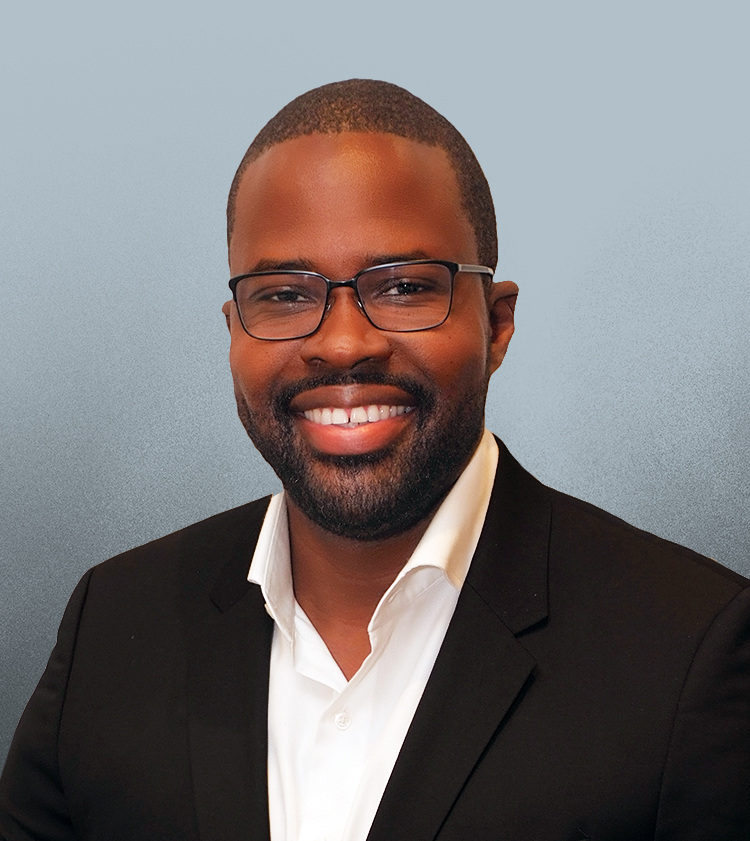
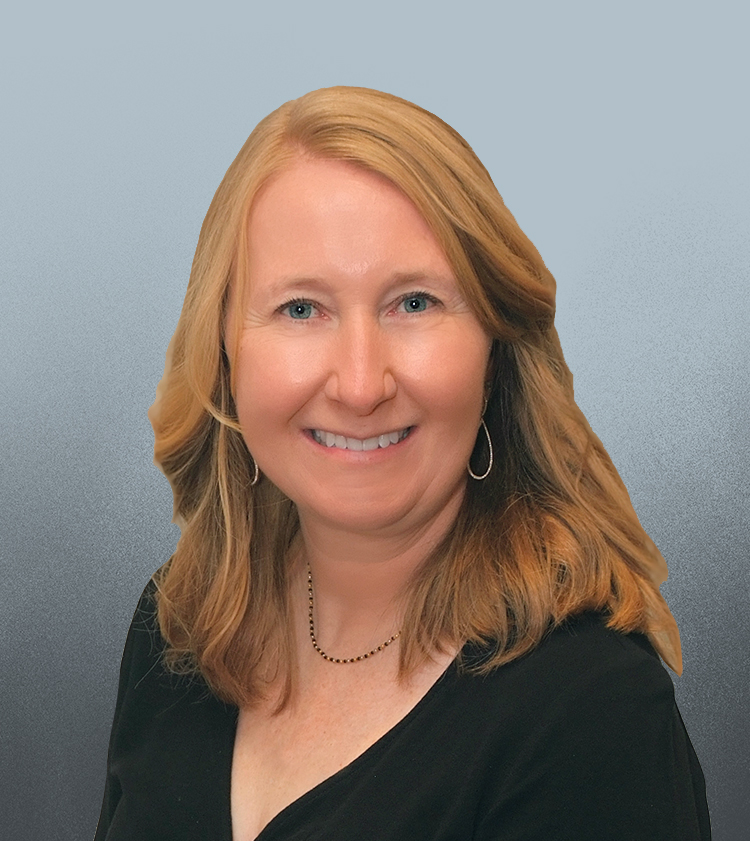
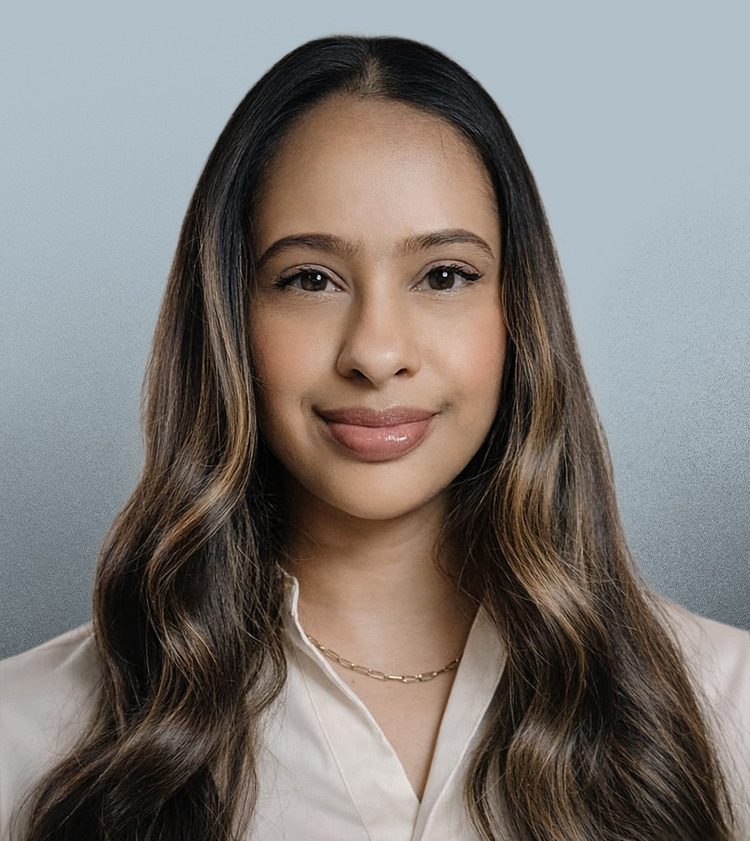
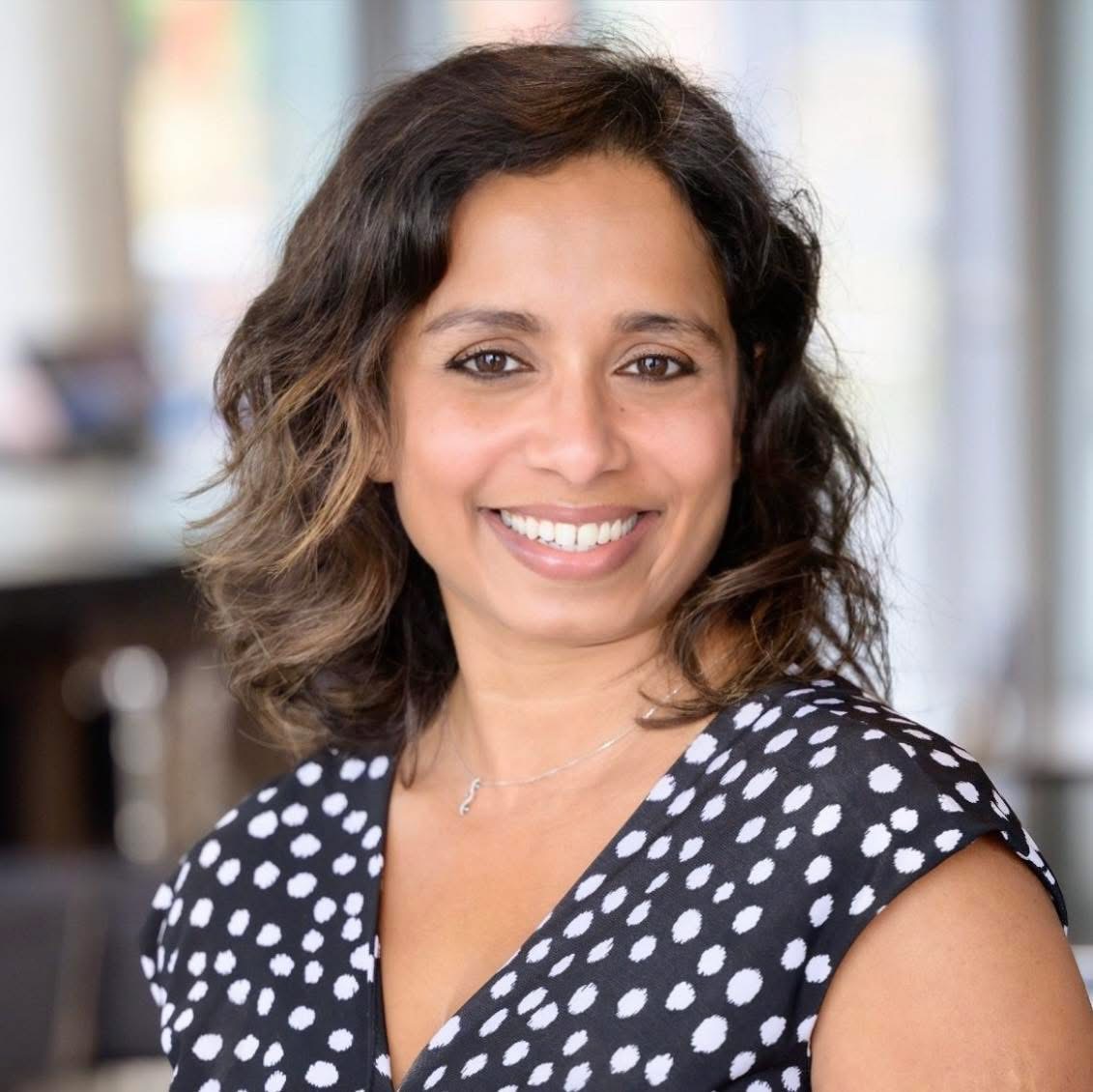
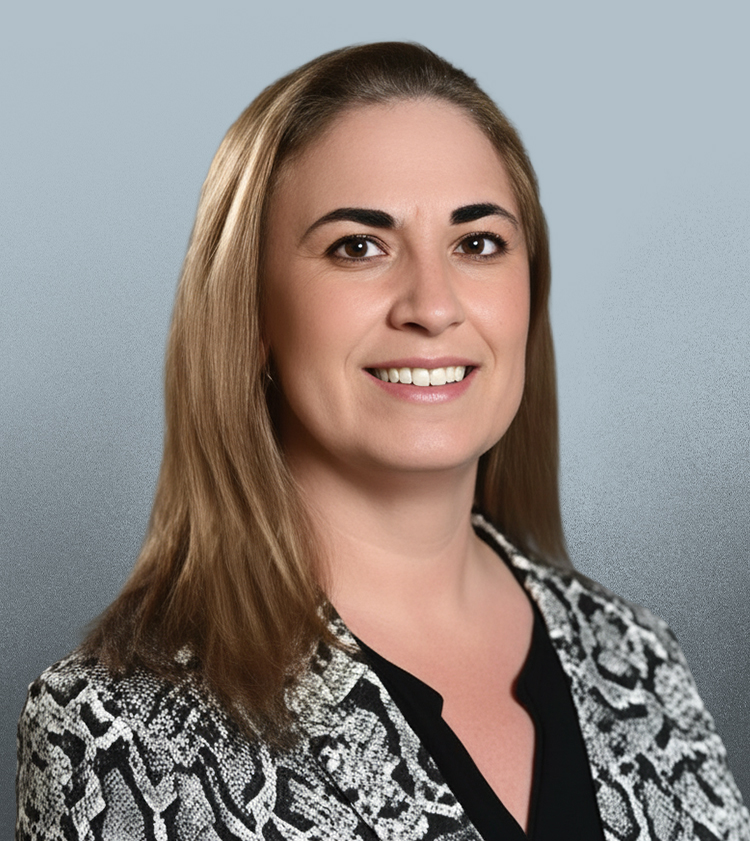
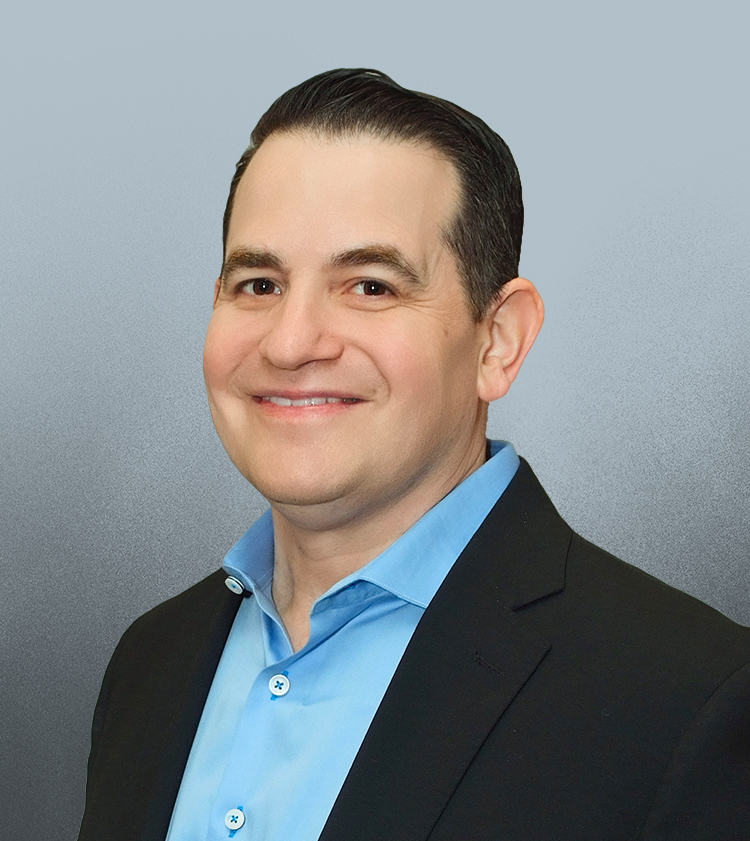
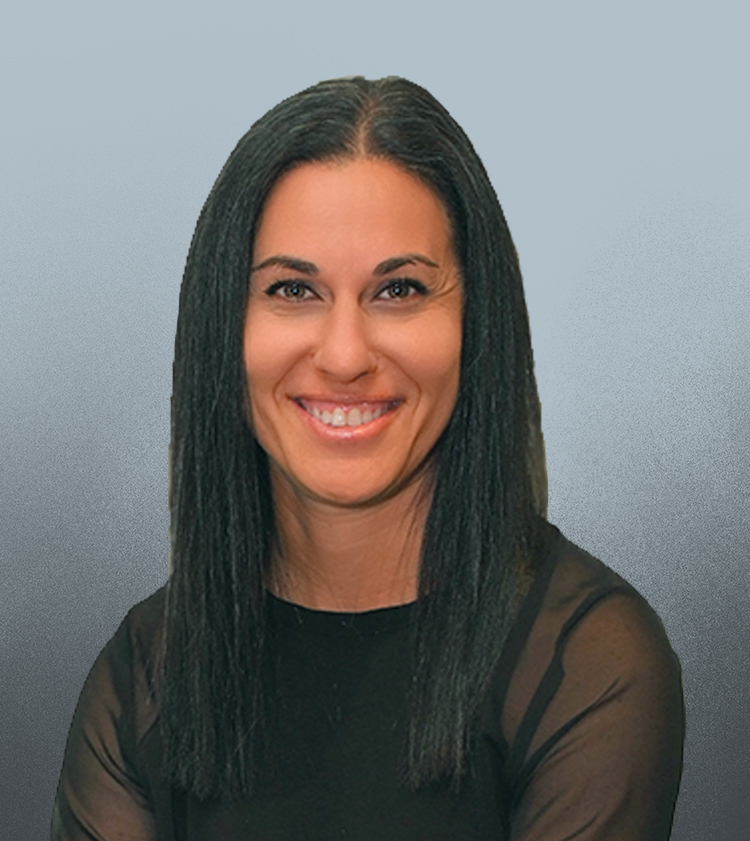
Every trustee of the Foundation is a volunteer. The people on this page review every grant application, run the Sneaker Ball and Dance With Your Daughter, write the thank-you notes, and balance the books — on their own time, so that what you give reaches MERS students.





Who we are
The Foundation for Manalapan-Englishtown Regional Schools is a volunteer-led 501(c)(3) nonprofit. The Foundation operates independently of the district and works alongside educators and school PTAs/PTOs to support learning and enrichment across all eight schools. Since the 2009–10 school year we have granted more than $1 million to teachers, principals, and PTAs — every dollar raised right here in our community.
To educate, enrich, and empower every PK–8 student in our district by partnering with families, educators, and the community to expand access to opportunities that support academic, emotional, and social growth — both in and beyond the classroom.
A future where every student has equitable access to opportunities, resources, and support that prepare them to learn, grow, and lead today and into the future.
Empowerment: We invest in opportunities that build confidence, skills, and leadership in our students.
Collaboration: We partner with families, educators, and the community to bring our vision for students to life.
Inclusivity: We believe every student deserves equal access to high-quality educational tools and experiences, regardless of background or circumstance.
Innovation: We support creative approaches that drive meaningful learning and equity for all students.
Growth: We expand what’s possible by supporting meaningful growth across students, schools, and our work.
Transparency: We act with openness and accountability in our work and investments.
The year in grants
Twice a year, every fall and spring, MERS teachers, principals, and PTAs bring us their best ideas for their students. These are the ten we funded this year.
Have an idea for your classroom? Grant applications open every fall and spring at foundation4mers.org/grants.


WIN Bins for All
The Request
Students learn best when they’re asked to think deeply, solve problems, and try new ideas. Sharon Hanson and Jessica Britton asked for grade-level bins of carefully chosen games and puzzles for every K–5 classroom in the district — hands-on enrichment for the WIN (What I Need) period.
The Impact
Every elementary student in the district now has hands-on, unplugged enrichment during WIN time. The games and puzzles build critical thinking, collaboration, and perseverance — and because every school received the same bins, no classroom is left out.
“Every elementary student has access to meaningful enrichment during the WIN period — promoting equity and consistency across all elementary schools.”— The Foundation for MERS

Hate Ends Now: The Cattle Car Exhibit
The Request
Kerry Marsala asked us to help bring the Hate Ends Now Cattle Car Exhibit to every MEMS eighth grader. Inside a life-sized replica of a World War II cattle car, students encounter survivor testimony, historical context, and authentic artifacts — Holocaust education, as New Jersey requires, in a way no textbook can match.
The Impact
More than a history lesson, the exhibit is moral education. At a key point in their development, 530 students were asked to think about their own role in building a more just and compassionate community — to recognize the consequences of hate, and to choose understanding over indifference.
“This exhibit gives students more than historical knowledge — it gives them a moral lens.”— Kerry Marsala, Science & Social Studies Supervisor

CMTV Studio Technology Upgrade
The Request
Clark Mills Television (CMTV) is the school’s student-run studio and its primary communication hub — but outdated equipment limited it to pre-recorded broadcasts. Simon Nortman partnered with us to replace that gear with a modern, high-definition live production setup, so students can plan, produce, and broadcast in real time.
The Impact
CMTV now runs as a live HD studio and an interdisciplinary classroom. Students script, direct, time, troubleshoot, and deliver under a live clock — building communication, collaboration, and problem-solving skills while producing the broadcasts that connect the Clark Mills community and celebrate student achievement.
“More than a studio, CMTV is a classroom where students learn to tell their school’s story, live and in high definition.”— The Foundation for MERS

Taylor Mills Learning Garden
The Request
Third-grade teacher Lori Watkins asked for help turning an unused garden space into an outdoor classroom for every student: raised planters for a butterfly garden, trellises for climbing vegetables and flowering vines, shade umbrellas, soil, plants — and materials for signs and painted rock animals made by the kids themselves.
The Impact
All 500 K–5 students at Taylor Mills now explore science, math, literacy, and environmental stewardship outdoors — observing plant life cycles, measuring growth, recording data. The garden is also a calm natural space for reflection, movement, and collaboration.
“We’re growing more than just plants — we’re cultivating creativity, collaboration, curiosity, and a lifelong love for the natural world.”— The Foundation for MERS
Made possible with a generous contribution from the H. Hovnanian Family Foundation.
More grants at work
Six more grants, funded the same way as the rest — a teacher asked, and this community said yes.
“Sensing” Change: Climate Science Technology
Vernier pH and salinity sensors replace simplified models in 8th-grade science at MEMS, so students collect real data on ocean acidification and human impact — and propose evidence-based solutions.
Guidance Office Flexible Learning Space
New furniture and adaptable seating turn the Clark Mills guidance office into a calm, student-centered space for counseling, small groups, and problem-solving — supporting focus, regulation, and belonging.
Carnevale Mask Cultural Experience
Eighth-grade Italian students study the history of Carnevale di Venezia, then decorate authentic masks imported from Italy — a hands-on tradition that links world language with social studies.
Trauma-Informed Regulation Tools & Spaces
Calming spaces and sensory tools throughout Taylor Mills classrooms give students dealing with stress, anxiety, or trauma a safe, predictable place to settle their bodies, manage emotions, and return to learning ready to engage. Embedding trauma-informed practice into daily routines builds emotional safety, resilience, and self-regulation.
Indoor Recess Carts
Carts stocked with board games, building tools, art supplies, and collaborative activities turn indoor recess into purposeful, low-stress play. Students connect with classmates beyond their usual friend groups, build teamwork and problem-solving skills, and come back to learning recharged.
Andy Sheehy Award for Citizenship
Each year, eighth graders who show integrity, kindness, and leadership receive a Barnes & Noble gift card in recognition of their positive example — character, celebrated alongside achievement.
A year of showing up
Every dollar in this report came from this community — event tickets and raffle baskets, individual donations, sponsors, and outside grants. Our events are also where this district feels most like a neighborhood.


Our sponsors & community partners
Local businesses and organizations fund the grants in this report and the students behind them. Thank you for standing with our schools.


Interested in sponsoring? foundation4mers.org/our-sponsors
Become a monthly donor
The ten grants in this report were funded one event ticket and one donation at a time. A monthly gift — in any amount — gives us something rarer: steady support we can count on, so we can say yes to more teachers every grant cycle.
Fourteen neighbors giving $10 a month fund a learning garden like Taylor Mills’.
Nine neighbors giving $25 a month fund Carnevale masks for every 8th-grade Italian student.
Nine neighbors giving $50 a month put WIN Bins in every K–5 classroom in the district.
Give stock. Support our students.
A gift of stocks, bonds, or mutual funds can help fund classroom grants and enrichment across MERS. Donating appreciated securities may also offer tax advantages.
Consult your tax or financial advisor about your circumstances.
Learn MoreThe Foundation for MERS is a 501(c)(3) nonprofit organization. EIN 27-0372463. Donations are tax-deductible to the fullest extent allowed by law.
Thank you for a year of saying yes.
Every grant in these pages was funded by neighbors, and every one of them changed a classroom. Ten times this year, a teacher asked and this community answered.
Manalapan, NJ 07726
foundation4mers.org
Facebook · Instagram · LinkedIn
The Foundation for MERS is a 501(c)(3) nonprofit organization. EIN 27-0372463.